There is a saying in the Army: “Mission First, People Always.”
For Paul Crawford, a third-generation farmer in the Klamath Irrigation District, the mission has always been clear: feed the nation, steward the land, and raise his family with the values of hard work and integrity. But today, the “People”—the families, the veterans, and the growers of the Klamath Basin—are being left behind in a battle they didn’t start.
From the Frontlines to the Furrows
Before Paul Crawford was fighting for water allocation, he was serving his country. Paul is a veteran who completed a four-year tour in the U.S. Army. He understands what it means to sign a contract, to give your word, and to serve a cause greater than yourself.
When he returned to Southern Oregon, he traded his rifle for a plow, looking to put down roots in the soil his family has worked for decades. He brought with him the Army Values that defined his service: Loyalty, Duty, Respect, Selfless Service, Honor, Integrity, and Personal Courage.
Today, it takes every ounce of that personal courage just to plant a seed.
https://www.facebook.com/share/v/1B88ALZcVS/
The Season of Uncertainty
Farming is never easy, but in the Klamath Basin, it has become a gamble with the highest stakes imaginable. For years, growers like Paul have faced a crushing reality: a season with no water.
“We’re real people here, and we’re being annihilated,” Paul has said, his voice carrying the weight of a community on the brink.
This isn’t just about dry weather; it’s about broken promises. The federal government once enticed veterans to this basin with the promise of homesteads and water rights—a pact that feels increasingly forgotten. Paul notes that while he would never trade a day of farming with his wife and children for anything, the life they love is under siege.
“It just may end if we don’t figure something out on this water issue,” he warns.
More Than Just Dirt
Why does Paul keep fighting? Why endure the “annihilation” of seeing fertile fields turn to dust?
He does it for the next generation.
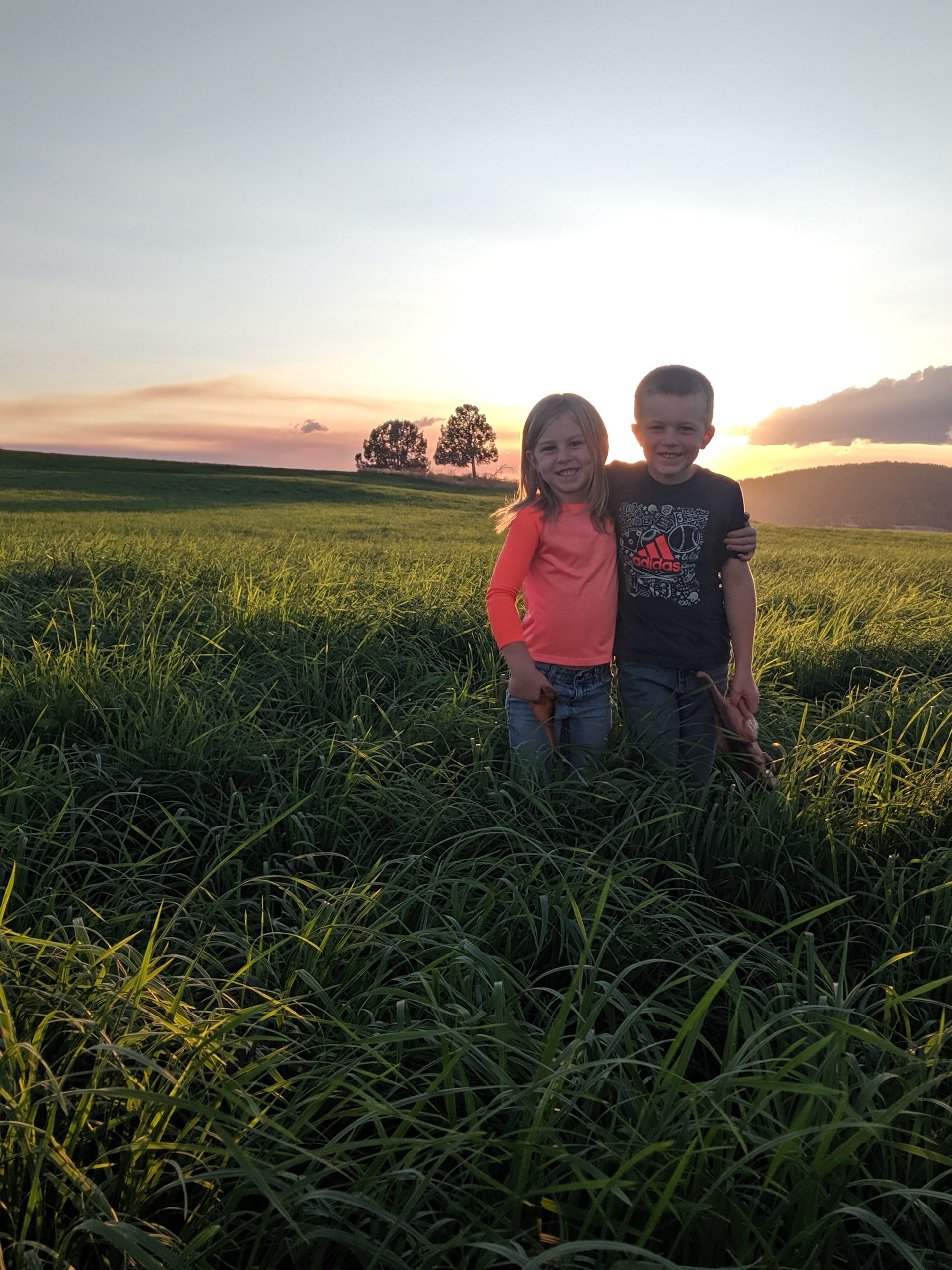
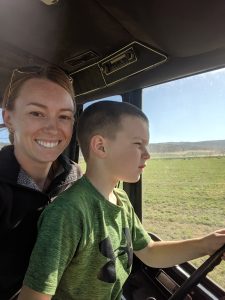
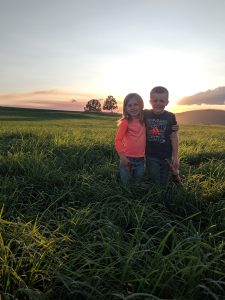
Paul is a devoted husband and father of two children who dream of becoming farmers themselves. When you look at Paul, you don’t just see a grower; you see a father trying to hold onto a legacy. You see a veteran who expects his government to operate with the same honor he displayed in uniform.
The uncertainty of water policy in the Klamath Basin doesn’t just kill crops; it kills the future. It threatens to sever the connection between a family and their land—a connection that, once broken, may never be healed.
Stand With Paul
If we don’t have people like Paul Crawford—veterans, fathers, resilient food producers—we don’t have anything.
The struggle in the Klamath Basin is a stark reminder that food security is national security. Paul Crawford served us in the Army, and he is trying to serve us now by growing the food and fiber we rely on. It is our duty to ensure he has the resources to do it.
We stand with Paul. We stand with the Klamath Basin.
How You Can Help:
#Klamath #KlamathFallsOregon #Agriculture #FamilyFarm #VeteransInAg
Read More….
Farmer Stories / #KlamathStrong, #AgVocate, #RealFarmers, #ArmyValues, #KlamathWaterCrisis
Klamath Basin famers prepare for a season with no water
Klamath Basin farmers prepare for a season with no water
by Christina Giardinelli
Thu, June 17, 2021 at 2:21 PM
Updated Fri, June 18, 2021 at 10:00 AM
KLAMATH COUNTY, Ore. — Paul Crawford and his son meet me at a gas station in Malin, Oregon, a farming town right on the California border.
I follow them down one of the many long country roads bordered on both sides by farmland–much of which is now browning since the A Canal, which irrigates some 200,000 acres, was shut off last month.
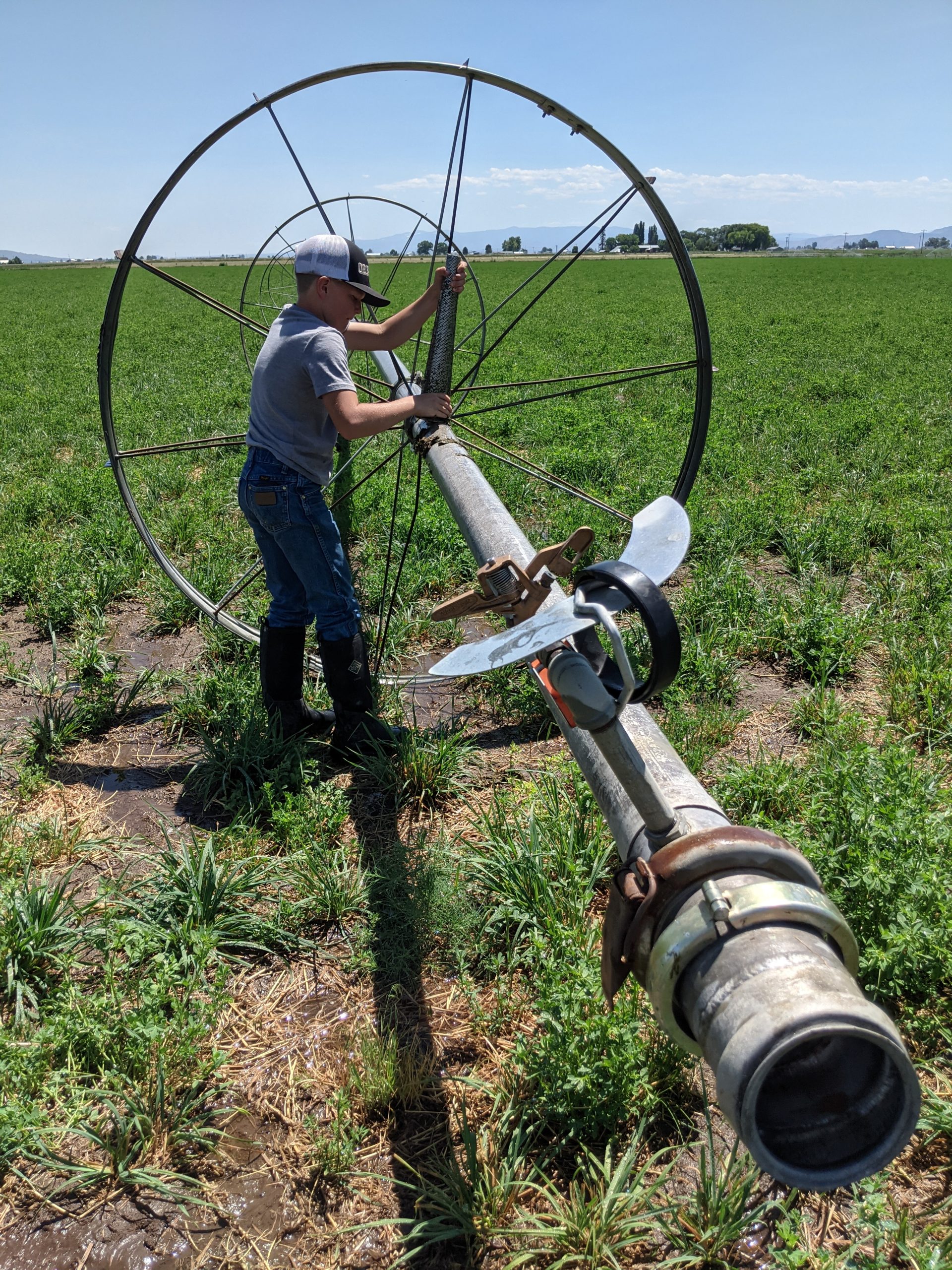
Crawford jumps out of his red pickup and turns on the spigot of a center pivot irrigator on one of the few green lots in view.
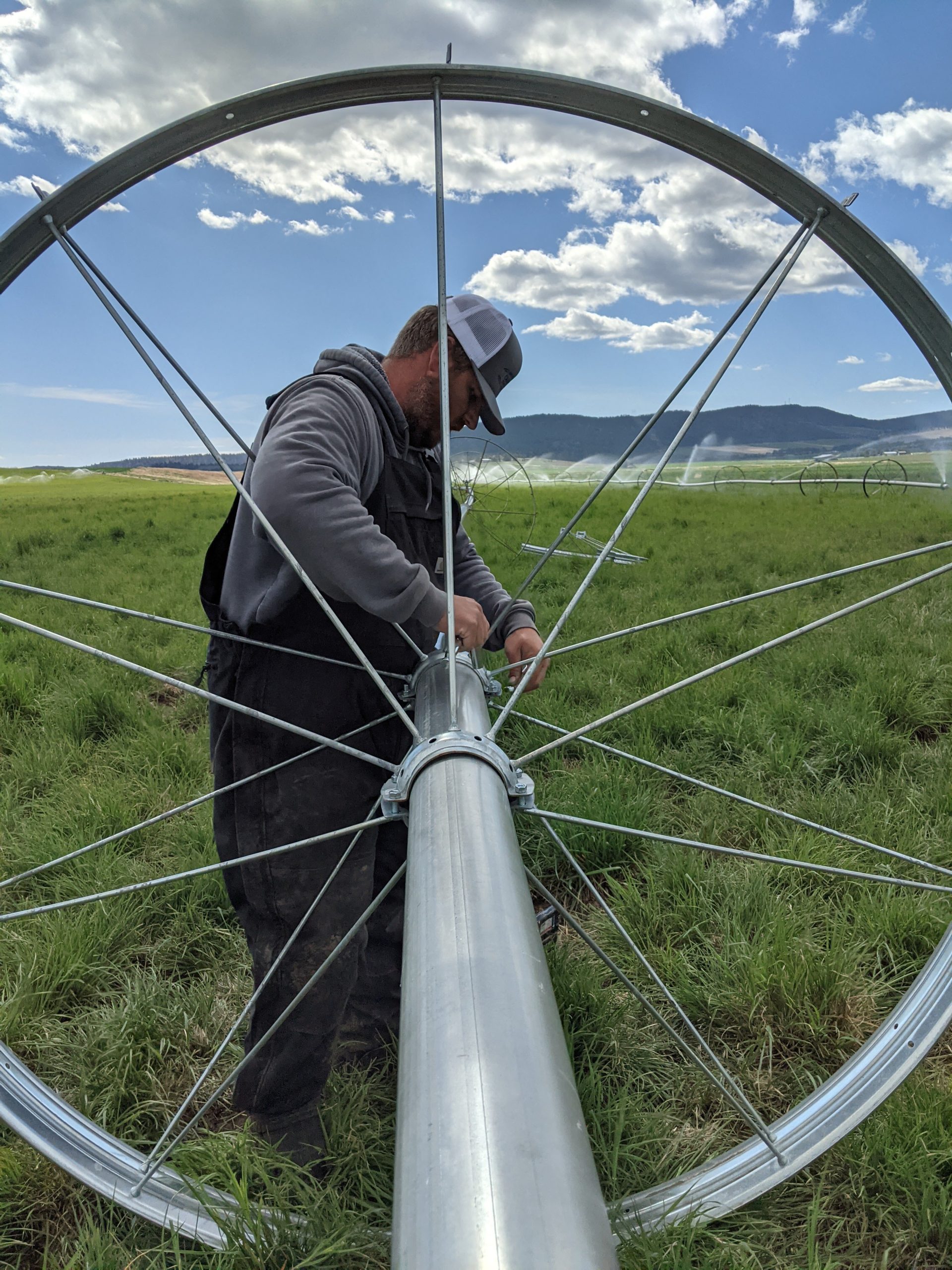
“When it’s my turn I gotta make sure to turn this on or it messes up everyone’s flow,” he tells me as he listens for airflow in the pump. There is no water yet but he tells me it will turn on soon. It takes time because it’s pumped from a distance.
Crawford is one of the lucky farmers in the area who will keep at least a portion of his crop green this year thanks to a small well owned by the water district. In a normal year, groundwater pumping is not allowed, but with the main irrigation canal shut off, the district has obtained temporary permits.
Though the water rights issue in the basin dates back decades, this is the first year the Bureau of Reclamation, which has managed the Klamath water project since the early 1900s, has decided to completely shut off the canal for a season. This is because the drought has caused water levels in the upper Klamath Lake to drop below what is deemed safe by the US Fish and Wildlife Service to preserve two endangered Suckerfish species.
The water sputters and begins to flow steadily giving life to 40 acres of Alfalfa. Crawford and three other farmers are using the small groundwater resource on a rotating schedule, each has had to sacrifice at least some acreage. He estimates the small groundwater project will preserve 60% of his normal production.
“This field here is even more of a success story because I am not using my well, I am not using my pump, I am not using any of it,” he says pointing to the field. “I’m using a neighbor’s pump and we are just stringing things together. When I get done irrigating we just switch some valves in the mainline and it goes to the next person.”
He explains that the collaboration has brought him a sense of hope and community during dire times, but he knows many of his neighbors will not be as lucky.
“There are so many people that don’t have any access to groundwater. That canal there…that’s the A-B boundary and there is a large portion of ground over there that has zero access to groundwater,” he says. “There’s a lot of people that farm just across the ditch from me that are in a way worse situation than we are. We are pretty rough but there are some people that…there are going to be some farms that aren’t here next year because of this. People are going to go bankrupt.”
He explains that even with some of his crops surviving, a year without water will cause a chain reaction that will take a significant bite out of the income he does make.
“We’ll see what it does, as it dries up we certainly won’t have as many plants next year as we did this year,” he says pointing to one of the lots of Alfalfa that will not be irrigated. Alfalfa, a perennial crop would normally not require replanting.
Other things like the fertilizer that the fields were already treated with will go to waste this year. There is also an added expense of the electricity it will take to power the pump.
“The mortgage on this place is due whether we irrigate or not,” he says looking over at his son who is wandering the field at a short distance.
His name is Hesston. When I ask him how old he is he tells me he’s nine but Crawford corrects him.
“Not quite yet…just shy of a month,” he says noting that Hesston’s been planning for his birthday all year. He tells me they plan to go fishing.
When asked, Hesston has no hesitation in telling me he wants to be a farmer when he grows up. His dad says he would love to eventually pass the operation on to Hesston and his sister but first, they will need to survive the season.
In Klamath Falls the Water Users Association, a non-profit that represents farmers and ranchers in the basin, has been getting numerous calls from farmers asking about what resources are available to help them weather an idle crop season.
“There is the Klamath draught response agency and I believe there is, as of right now, about $15 million available to go towards land idling programs,” says the organization’s deputy director mark Johnson. He estimates that at best, with the help, farmers will break even but says more is needed to help them weather the season and start fresh next year.
A lot of folks don’t realize but when you let a field idle for a year and leave it fallow it takes so much more prep work to get it running next year,” he says.
When it comes to federal funding and grant programs he says, “it basically covers just the basic expenses they have.”
He estimates there are about 2000 farmers that depend on the canal in some form although some (he estimates maybe a third) have at least a little access to groundwater.