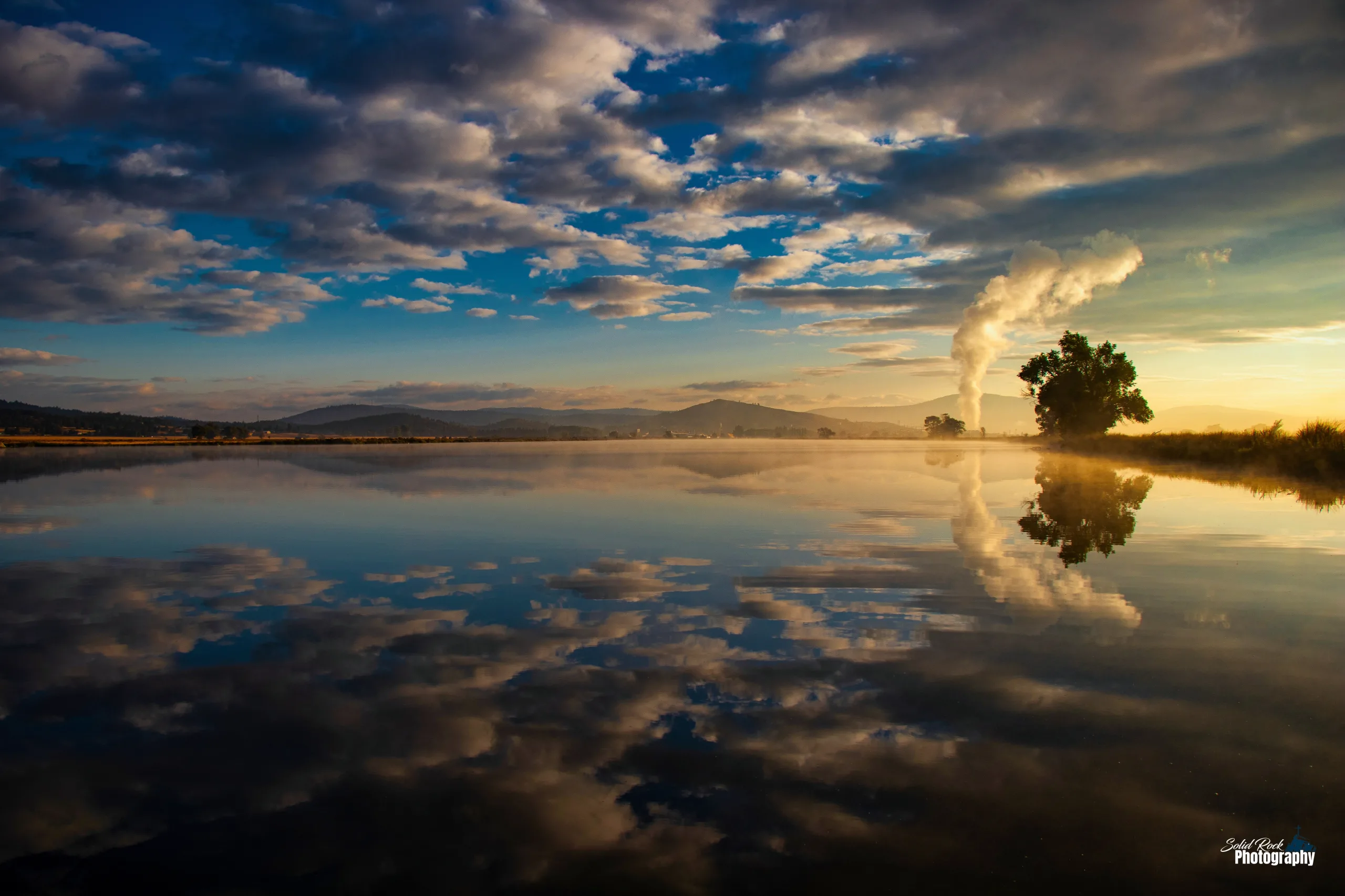
Image courtesy of Solid Rock Photography – Sarah Ramsey
Director of Conservation
Few conservation jobs in the West carry this much weight.
The Klamath Basin sits at the crossroads of agriculture, endangered species, tribal rights, and federal water policy — and the decisions made here ripple across the West. As our Director of Conservation, you’d lead Klamath Irrigation District’s stewardship of water, soil, and habitat: building the science, programs, partnerships, and modernized infrastructure that let working farms and a healthy basin share the same landscape. It’s a director’s seat with real autonomy, real stakes, and a District with the will to act. Right now that work includes coordinating the District’s Habitat Conservation Plan — a multi-year effort under the Endangered Species Act that this role would help research, shape, and carry forward.
What you’d do
- Coordinate the District’s Habitat Conservation Plan (HCP) under Section 10 of the Endangered Species Act — guiding the research, the application, and the conservation measures it requires, alongside our team and counsel.
- Drive the District’s modernization: pursue, administer, and report on grants that fund conservation infrastructure — piping, canal lining, SCADA, hydropower, and more.
- Lead the District’s conservation and natural-resource programs — water efficiency, soil health, water quality, habitat, and drought response.
- Ground our positions in the best available science: monitoring, data, and analysis the District and its partners can stand behind.
- Build and maintain working relationships through regular coordination with tribal and agency partners, neighboring districts, researchers, and the patrons we serve.
- Help our farming families adopt practices that conserve water and strengthen the basin.
Who you’d work with
This is a deeply collaborative role, built on routine coordination and synchronization meetings with partners across the Klamath Watershed.
Tribal nations
You’d work closely and regularly with your counterparts in the Klamath Tribes, the Yurok Tribe, the Karuk Tribe, and the Modoc Nation — ongoing, central relationships maintained through regular coordination and synchronization meetings.
Agency partners
- USFWS
- ODFW
- CDFW
- NOAA
- NMFS
- NRCS
- USDA
- FEMA
- Reclamation
- Oregon DEQ
- Oregon WRD
- & others
Academic partners
- Oregon State
- Univ. of Oregon
- Humboldt State
- Cal Poly
- & others
What you’d bring
- Above all, a genuine commitment to the District’s mission — delivering water to the farms and lands of the Klamath Project — and a conviction that conservation should strengthen that purpose.
- A PhD in environmental science, natural resources, hydrology, fisheries, or a related field with roughly two years of experience — or a bachelor’s degree backed by substantial field experience.
- Familiarity with the Endangered Species Act and the Section 10 / Habitat Conservation Plan process — a strong asset, given the HCP work ahead.
- Experience pursuing and managing grants — writing competitive proposals, administering awards, and reporting on results.
- The ability to turn science and policy into plain language and practical action.
- A talent for building trust across very different interests.
- The self-direction and judgment to lead a program, not just complete tasks.
- Genuine interest in the working lands, water, and communities of the Klamath Basin.
Why Klamath Irrigation District
We’ve delivered water to this basin since 1905, we represent more than 1,700 farming families, and we’re not shy about standing up for them — or about doing the conservation work that secures the basin’s future. This is public service in the truest sense: a chance to serve your neighbors, strengthen the community that depends on this water, and help build a better future for the basin. You’d have the independence of a director’s role and the backing of a team that shows up.
What we offer
We back this role with a benefits package built for a long career in public service:
- Health insurance
- Life insurance
- Paid vacation
- Paid sick leave
- 401(a) retirement — 10% employer contribution
- Public Service Loan Forgiveness (PSLF) eligibility
- Company vehicle
- Company cell phone
Common ground
This isn’t just our view. Across the basin, our partners’ own research and programs show that working farms and a healthy basin can succeed together:
- Oregon State University Agriculture and conservation share common ground after Klamath dam removals An OSU study finds farming and conservation goals can align across the basin.
- Oregon State University Klamath Basin Research & Extension Center (KBREC) Research advancing sustainable Klamath crop production while protecting soil and water.
- USDA · Natural Resources Conservation Service Klamath Basin Farming and Wetland Collaborative Funding wetland habitat for migrating birds on working agricultural land.
- U.S. Fish & Wildlife Service Lower Klamath Refuge — the “Walking Wetlands” program Rotating farm fields to wetlands and back, boosting both wildlife and crop yields.
- U.S. Bureau of Reclamation Klamath Basin Area Office Manages Project water delivered to the basin’s farms and national wildlife refuges.
- Cal Poly Humboldt New major explores land, food, and farming A program pairing agriculture with ecology, stewardship, and applied land management.
- Yurok Tribe Food Sovereignty Program (Environmental Department) The Tribe’s program growing food and building agricultural self-sufficiency on the reservation.
How to apply
-
1
Get the application
Download and print the District’s application form, or pick one up at our office.
Download application (PDF) -
2
Submit it to our office
Drop it off in person or send it to our office staff.
(541) 882-6661 cherrese.wilson@klamathid.org
K.I.D. Office · 6640 KID Lane, Klamath Falls, OR 97603 · Mon–Fri, 8:00 a.m.–4:30 p.m.
-
3
We review & reach out
Applications are kept on file for six months. We’ll be in touch with qualified candidates.
Klamath Irrigation District is an equal-opportunity employer. All qualified applicants are considered without regard to race, color, religion, sex, national origin, age, disability, or any other protected status.